


Insurance Insights
Perspectives on protecting your home, business and everything you value.
Claims Inflation: Why Coverage May Fall Short
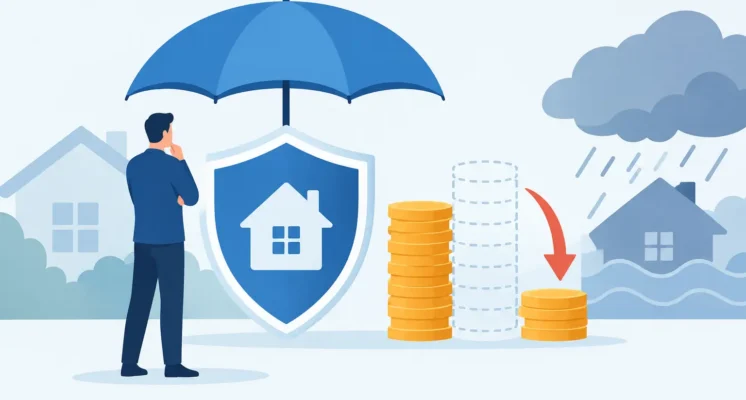
A home can be insured for an amount that felt more than adequate two years ago and still leave its owner exposed after a major loss. That is the practical effect of claims inflation: the cost to repair, replace, rebuild, defend, or keep operating rises faster than the coverage built around yesterday’s prices.
For homeowners and business owners in Southwest Florida, this is not an abstract economic headline. It can show up in a contractor estimate after a storm, the price of a replacement vehicle, a longer-than-expected business interruption, or a liability claim that takes more time and expertise to resolve. The right response is not simply buying the highest limits available. It is reviewing the assumptions behind your protection and making sure they still reflect what you own, what it would cost to replace, and the risks you carry.
What Claims Inflation Means in Insurance
Claims inflation is the upward pressure on the total cost of insurance claims. General inflation is part of the story, but insurance claims have their own cost drivers. Materials, skilled labor, medical care, legal expenses, rental vehicles, supply-chain delays, and changing jury awards can all make a claim more expensive than it would have been in prior years.
A $50,000 water damage claim, for example, is not just about drywall and flooring. It may include emergency mitigation, mold prevention, cabinetry, appliances, temporary housing, permit requirements, and the cost of finding qualified tradespeople when local demand is high. For a business, a property loss may also involve lost revenue, payroll obligations, extra expenses to operate elsewhere, and delayed reopening.
In Florida, catastrophe activity can magnify those pressures. After a hurricane or widespread weather event, demand for roofing, restoration, electrical work, and building materials often rises sharply. Even a policy with replacement cost coverage can face challenges if its dwelling limit, business personal property limit, or additional living expense limit no longer matches real-world costs.
Why Claims Inflation Matters for Florida Property Owners
Coastal homes, condominiums, rental properties, boats, and higher-value residences tend to have details that are costly to reproduce. Custom millwork, specialty windows, premium finishes, elevated construction, seawalls, docks, and updated mechanical systems should not be valued as though they were standard features.
A replacement cost estimate is a living figure, not a number to set once and forget. Renovations and lifestyle changes matter as well. A kitchen remodel, new roof, expanded outdoor living area, art collection, home office, or upgraded security system can change the amount and type of protection a household needs.
The same principle applies to personal property. A policy may include broad personal property coverage, but sublimits can apply to categories such as jewelry, watches, fine art, firearms, collectibles, and certain electronics. If values have increased or a collection has grown, a scheduled endorsement or separate valuation may be worth discussing.
There is also a meaningful distinction between market value and replacement cost. A home’s sale price may reflect location, land value, and neighborhood demand. Its rebuilding cost reflects labor, materials, code upgrades, design complexity, and local construction conditions. Those figures can move in different directions.
Ordinance and law coverage deserves attention
After a covered loss, current building codes may require upgrades that were not part of the original structure. Depending on the property and the extent of damage, that could involve electrical, roofing, wind mitigation, accessibility, or elevation-related requirements. Ordinance and law coverage is designed to address certain costs associated with complying with those requirements.
The appropriate amount depends on the home, its age, local requirements, and the policy form. It is one of those coverages that may feel secondary until a significant loss makes it central.
Claims Inflation Is Not Limited to Property Damage
For businesses, claims inflation often appears in liability and workers’ compensation costs as much as in buildings and equipment. Medical treatment, specialist care, wage levels, attorney fees, litigation expenses, and settlement values can affect the ultimate cost of a claim.
Social inflation is a related term used to describe rising liability claim severity driven by factors beyond ordinary price increases. Larger jury awards, more aggressive litigation strategies, and broader views of corporate responsibility can all influence liability outcomes. A serious auto accident involving a company vehicle or a customer injury at a business location can exceed basic policy limits more quickly than an owner expects.
Commercial auto is a clear example. Modern vehicles contain sensors, cameras, electronics, and advanced safety equipment that can increase repair costs after even a relatively modest collision. If an accident involves bodily injury, the claim can become far more substantial. Businesses with fleets, delivery vehicles, service vans, or employees who drive for work should revisit both their underlying liability limits and whether a commercial umbrella policy is appropriate.
Professional firms face a different version of the same issue. Errors and omissions claims can involve defense costs, expert witnesses, regulatory questions, and prolonged negotiations. Restaurants, churches, and other organizations that serve the public may need to consider how liability, property, employment practices, and event-related exposures fit together rather than reviewing each policy in isolation.
Where Coverage Gaps Often Develop
Coverage gaps usually do not arrive because someone intentionally chose inadequate insurance. They develop gradually, while assets, costs, and operations change.
For households, common pressure points include a home limit based on an outdated reconstruction estimate, insufficient additional living expense coverage, undervalued personal property, and deductibles that no longer fit the family’s financial plan. Hurricane, wind, flood, and water damage deductibles deserve particular attention in Florida because they may be structured differently from a standard all-peril deductible.
Flood protection requires its own conversation. Flood damage is generally not covered by a standard homeowners policy. A homeowner may have a flood policy and still need to consider whether its building and contents limits align with current replacement costs, especially if the property has been renovated or furnished with higher-value items. Excess flood coverage may be relevant when primary limits do not fully reflect the exposure.
For businesses, common gaps include underinsured buildings or equipment, business income periods that are too short, inadequate extra expense coverage, liability limits that have not kept pace with operations, and missing cyber or employment-related protection. A business that has added locations, hired more staff, begun delivery service, purchased equipment, or taken on larger contracts has likely changed its risk profile.
How to Review Coverage Before a Claim Tests It
A thoughtful insurance review starts with a conversation about what has changed, not a quick search for a lower premium. Price matters, but the least expensive policy can become expensive if it responds poorly when a family or business needs it most.
For a home, gather recent renovation details, contractor estimates, appraisals for valuables, photos of key rooms, and an updated inventory of significant belongings. Discuss the home’s construction features, roof age, protective devices, and any detached structures, pool features, docks, or guest accommodations. These details help create a more accurate picture than square footage alone.
For a business, review revenue, payroll, property values, fleet changes, lease requirements, contracts, certificates of insurance, and the role employees play in daily operations. Business interruption protection should be considered carefully. The question is not only how much income is lost during a closure, but how long it may realistically take to repair, restock, regain permits, replace equipment, and return to normal operations.
It also helps to look at the insurance portfolio as a whole. Auto, home, flood, excess liability, commercial property, general liability, and workers’ compensation can each respond to different parts of a loss. Coordinating them does not eliminate risk, but it can reduce blind spots and conflicting assumptions.
Higher limits are not always the only answer
More coverage can be wise, but it should be intentional. A higher deductible may make sense for a household or company with the financial capacity to absorb a smaller loss. A separate endorsement may be more useful than broadly increasing every limit. An umbrella or excess liability policy may provide efficient additional protection when underlying policies have appropriate limits.
The best fit depends on the asset, the exposure, the carrier’s policy language, and the client’s comfort with retained risk. That is why an annual review is valuable, particularly before hurricane season, after a major purchase or renovation, or when a business enters a new stage of growth.
A Local Conversation Can Make the Difference
Insurance is often purchased as a transaction and understood only after a loss. A relationship-led review gives owners the chance to ask better questions before that moment arrives: What would it cost to rebuild here now? How long could we operate from another location? What happens if a serious accident exceeds our base liability limits? Which valuables or improvements need to be specifically addressed?
At Galt Insurance, the goal is to help clients bring those moving pieces into one coordinated conversation. Claims inflation cannot be controlled by any one policyholder, but coverage decisions can be revisited with clear eyes, current information, and a plan that protects what matters most.
A policy review is most useful before a contractor, adjuster, or attorney is involved. Set aside time to look at the details while you still have choices, and let your coverage reflect the life, property, or business you have built.