



Insurance Insights
Perspectives on protecting your home, business and everything you value.
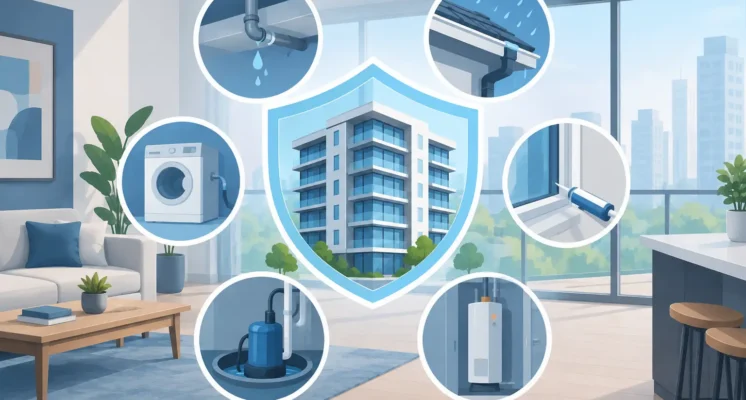
7 Ways to Protect a Condo From Water Damage
A single supply-line failure can affect far more than one condo. Water can travel behind cabinets, beneath flooring, through shared walls, and into the residence below before anyone sees the first stain. The phrase “protect condo from water damage” sounds straightforward, but condo ownership adds a crucial complication: responsibility is often divided among the unit owner, the condominium association, and sometimes a neighboring resident.
For Naples and Southwest Florida condo owners, prevention is not simply about avoiding an inconvenient repair. It is about protecting the home you enjoy, the finishes you have selected, your relationship with neighbors, and the coverage you may need when a loss crosses property lines. The right approach combines routine attention, smart devices, clear association communication, and an insurance review that reflects how you actually live.
How to Protect a Condo From Water Damage Before It Starts
1. Know where water enters your unit
Most condo water losses do not begin with a dramatic storm. They start with an aging washing-machine hose, a refrigerator ice-maker line, a failed water-heater connection, a dishwasher seal, or a slow leak under a sink. These are ordinary systems, which is exactly why they are easy to overlook.
Start by identifying every water source inside your residence. Check under kitchen and bathroom sinks for moisture, corrosion, or swollen cabinetry. Pull out appliances when practical and inspect supply hoses, drain lines, and fittings. Look at ceilings and walls around bathrooms, laundry areas, and air-conditioning equipment for discoloration, bubbling paint, or a musty odor.
A small leak caught early may require a plumber and minor drying. The same leak left unattended can lead to flooring replacement, mold remediation, damaged personal property, and a dispute over where the water originated.
2. Upgrade the parts most likely to fail
Water supply hoses and valves have a service life. Rubber hoses, especially those behind a washing machine or refrigerator, deserve particular attention because they can deteriorate out of sight. Consider replacing older hoses with braided stainless-steel options and asking a licensed professional whether shutoff valves are operating properly.
Water heaters deserve a closer look as well. Even if yours is not leaking, review its age, installation, drain pan, and connection points. A water heater near the end of its expected service life is a manageable replacement project. A ruptured water heater is an emergency that can affect multiple residences.
If your condo has a dedicated HVAC system, keep the condensate drain line maintained. In Florida’s heat and humidity, air-conditioning systems work hard. A clogged condensate line can create an avoidable interior water loss, often while the owner is away.
3. Add leak detection and automatic shutoff protection
For a primary residence, a simple water sensor under sinks, behind appliances, and near the water heater can provide valuable early warning. For a seasonal residence or a condo that is vacant for extended periods, monitored leak detection may be even more valuable.
Some systems can alert you through a smartphone app when they detect moisture or unusual water flow. Others can automatically shut off water to the unit. The best choice depends on your plumbing configuration, your association’s rules, and whether the main shutoff is accessible within your unit.
Technology is not a substitute for maintenance, but it can shorten the time between a leak beginning and someone responding. In a locked, unoccupied condo, that time difference can be substantial.
4. Make a plan for travel, hurricane season, and vacant periods
Many Florida condo owners divide their time between homes, travel during the summer, or leave after season. A vacant residence needs a different level of preparation than a home occupied every day.
Before leaving for an extended period, determine whether your association permits water to be shut off to the unit and whether doing so could affect fire suppression or other building systems. Do not make assumptions. Review the association’s instructions and ask the property manager when necessary.
If shutting off water is appropriate, arrange for it before departure. If it is not, consider scheduled checks by a trusted neighbor, property manager, or home-watch professional. The person checking the unit should know where the shutoff valves are located and who to call if they find a leak.
Hurricane preparation matters, but wind is not the only concern. Wind-driven rain can enter through compromised windows, doors, or building-envelope openings. Keep balcony drains clear, bring in loose items that could damage openings, and promptly report exterior maintenance concerns to the association. Your unit policy may address interior damage differently from the association’s master policy, so documentation and early communication matter.
5. Understand the line between your policy and the association’s policy
This is where many condo owners are surprised after a loss. The association’s master policy may insure portions of the building, but it does not necessarily cover the interior finishes, improvements, appliances, personal property, or additional living costs that matter to you.
The precise dividing line depends on the condominium documents and the association’s insurance arrangement. Some associations insure the building to a defined level, while unit owners remain responsible for items such as flooring, cabinetry, wall coverings, fixtures, and interior upgrades. If a neighbor’s leak damages your unit, the source of the leak does not automatically answer every coverage question.
Ask for a current copy of the association’s insurance summary and review the declaration, bylaws, and maintenance responsibilities. Pay close attention to deductibles. In a large water loss, an association deductible or special assessment can become a meaningful financial exposure for unit owners, depending on the governing documents and the circumstances of the claim.
6. Build a condo insurance policy around the unit you own today
A condo policy should reflect more than the purchase price of the residence. If you have renovated a kitchen, installed custom flooring, added high-end fixtures, furnished the unit with valuable belongings, or purchased a seasonal property, those details deserve a conversation.
Review Coverage A, often called building property or unit improvements coverage, in light of what you may be responsible for replacing. Review personal property limits and whether you prefer replacement cost treatment where available. Consider loss assessment coverage, which may help in certain situations when the association assesses unit owners for a covered loss. Ask how water backup or sewer and drain backup is handled, since it can be excluded or limited under many policies.
Flood is separate from standard condo insurance. Water entering from storm surge, rising water, or an overflow of a body of water is generally treated differently from a sudden plumbing leak. Coastal condo owners should understand the distinction before hurricane season, not after a weather event.
An experienced independent agent can help compare carrier options and identify gaps between your unit policy, the association’s responsibilities, and your broader personal insurance plan. At Galt Insurance, that conversation is part of protecting what matters most, not merely selecting a policy limit.
What to Do When You Find Water in Your Condo
Safety comes first. If water is near electrical outlets, appliances, or the electrical panel, avoid the area and contact appropriate emergency help. If it is safe to do so, stop the water source by closing the local valve or unit shutoff. Then notify building management or the association promptly, especially if water may be affecting a shared system or another residence.
Take clear photos and video before cleanup begins, then document every conversation, invoice, and emergency service. Reasonable steps to prevent further damage are typically expected, but avoid discarding damaged items until your insurer or adjuster advises you. Quick professional drying can make a meaningful difference, particularly in Florida’s humid climate.
If you need to report a claim, provide the facts you know without guessing about cause or responsibility. The origin of the water, the property affected, and the condominium documents can all influence how the claim develops.
A Small Routine That Can Prevent a Major Disruption
Set a recurring reminder twice a year to inspect visible plumbing, test leak sensors, clear HVAC drain lines, review appliance hoses, and confirm that your emergency contacts are current. It takes less time than a typical afternoon errand, yet it can prevent weeks of disruption.
Your condo should be a place to gather with family, enjoy the season, and feel at home in the community. A thoughtful water-loss plan helps keep it that way, especially when no one is there to notice the first drop.