


Naples Property Insurance Tips: A How-To Guide
Table of Contents
- Understand Your Property Insurance Coverage Types
- Florida Wind Mitigation Inspection Benefits
- Lower Your Property Insurance Premiums
- How to File a Property Insurance Claim in Florida
- Work with Independent Insurance Agents in Naples
- Special Considerations for Older Homes and New Construction
- Frequently Asked Questions
Last Updated: September 3, 2026
Understand Your Property Insurance Coverage Types
Property insurance in Florida covers far more than just your house. Understanding what your policy actually protects is the first step to getting the right protection and avoiding expensive surprises.
Dwelling coverage is the foundation, protecting the structure of your home, walls, roof, foundation, built-in appliances, and permanent fixtures. When choosing dwelling coverage limits, use replacement cost (the full expense to rebuild at current construction prices), not what you paid for the home. This distinction matters enormously in Florida, where construction costs have risen significantly.
Actual cash value is the alternative some policies offer, and it’s almost always the wrong choice for Florida homeowners. It pays replacement cost minus depreciation. A ten-year-old roof might be worth only 20 percent of its replacement cost under actual cash value, leaving you to pay the remaining 80 percent out of pocket. Always choose replacement cost if available.
Personal property protection covers your belongings inside the home, furniture, electronics, clothing, and other possessions. This coverage typically maxes out at 50-70 percent of your dwelling coverage limit. For high-value items like jewelry, art, or collectibles, you’ll need scheduled personal property endorsements, which list specific items and their values separately.
Liability coverage protects you financially if someone is injured on your property and sues. Florida homeowners typically carry 100,000 to 300,000 dollars in liability limits. A serious injury lawsuit can easily exceed 100,000 dollars in damages. Bundling liability with your property insurance usually costs less than buying it separately.
Florida Wind Mitigation Inspection Benefits
A wind mitigation inspection directly reduces what you pay for property insurance in Florida. Insurers offer premium discounts ranging from 5 to 30 percent for homes that meet specific wind-resistance standards. For coastal properties in high-risk zones, these discounts can save thousands of dollars annually.
Inspectors evaluate specific structural features that resist wind damage. Roof covering quality is the first factor, homes with impact-resistant shingles or metal roofing qualify for credits, while standard asphalt shingles offer no discount. Roof shape matters too. Hip roofs (sloped on all four sides) resist wind better than gable roofs (peaked on two sides).
Roof-to-wall connections determine whether high winds tear the roof off the structure. Homes built before 1980 often have inadequate connections (fema.gov). Modern building codes require hurricane ties or straps that anchor the roof to the walls. Better connections equal bigger discounts.
Opening protection refers to windows, doors, and garage doors. Impact-resistant windows and doors, or permanently installed storm shutters, qualify for credits. A garage door that fails in wind can allow pressure inside the home, causing catastrophic structural damage. Reinforced garage doors get credit.
Four-point inspections are a separate but related inspection. Lenders often require them for homes older than 25-30 years. These inspections examine the roof, electrical system, plumbing, and HVAC system to verify they meet current building codes and are in adequate condition. While they don’t directly qualify for wind mitigation discounts, they affect insurability and premium pricing.
Building code compliance is the underlying principle. Florida’s building codes have strengthened significantly after major hurricanes. Homes built to current codes withstand wind far better than older homes. Homes that exceed code requirements get the largest discounts.
Request your wind mitigation inspection report in writing. Use it when shopping for quotes with multiple insurers. Different companies apply discounts differently, so the same inspection can yield different savings depending on the carrier. Shopping around with your inspection report in hand ensures you capture the full benefit.
Lower Your Property Insurance Premiums
Premiums in Florida reflect genuine coastal risk. You can’t eliminate that risk, but you can reduce your premium through strategic choices about deductibles, bundling, and mitigation investments.
Deductible strategy is the fastest way to lower your annual premium. Increasing from a 500-dollar deductible to 1,000 dollars typically reduces the annual premium by 10-15 percent (naic.org). Increasing to 2,500 dollars can reduce it by 20-25 percent or more. The right deductible depends on your emergency savings. If you can comfortably absorb a 2,500-dollar loss without financial stress, a higher deductible makes sense.
Bundled policies combine homeowners insurance with auto insurance, umbrella coverage, or other products through one carrier. Bundling typically saves 10-20 percent on each policy (naic.org). At Galt Insurance, we specialize in consolidating your entire insurance profile into one simplified experience, which means you capture bundling savings and have a single point of contact for all your coverage needs.
Mitigation credits reward you for reducing risk. Wind mitigation inspections unlock credits. Roof replacements, new impact-resistant windows, and reinforced garage doors all qualify. Upgrading your electrical panel to meet current codes can qualify for discounts with some insurers. The investment in these upgrades pays back through insurance savings over time, plus added safety and resilience benefits.
Coastal risk reduction goes beyond wind mitigation. If your home is in a flood zone, elevation above the base flood level reduces premiums significantly. Some insurers offer 5-10 percent discounts for every foot of elevation above base flood level.
Avoid the temptation to underinsure to save money. A policy with dwelling coverage below replacement cost leaves you personally responsible for the gap. If your home costs 400,000 dollars to replace but your policy covers only 300,000 dollars, you pay the remaining 100,000 dollars out of pocket. The goal is optimal coverage at the lowest legitimate cost, not minimum coverage at any cost.
How to File a Property Insurance Claim in Florida
The claims process tests your insurance relationship. Knowing the steps and timeline prevents delays and denials when you need help most.
Documentation is everything. Photograph or video-record damage immediately after an incident. Take wide shots showing overall damage and close-ups of specific details. Document water lines, broken windows, roof damage, and displaced items. Save files in multiple locations (phone, cloud storage, external drive). Document the date and time of the incident.
Contact your insurer within 24-48 hours. Most policies require prompt notification. Have your policy number and a description of what happened ready when you call. The insurer will assign a claim adjuster and provide a claim number. Write down the adjuster’s name, phone number, and claim number. water damage claim process.
Gather receipts and records. Collect receipts for any emergency repairs (tarping a roof, boarding windows, removing debris). If you don’t have original receipts for damaged items, credit card statements, bank records, or photographs from before the damage can help establish what you owned.
The adjuster inspection typically happens within 5-10 business days. Be present during the inspection and point out all damage. If the adjuster misses damage, document it separately and report it before the claim closes.
Post-hurricane claims navigation involves unique challenges. After a major hurricane, insurers receive thousands of claims simultaneously. Expect longer timelines than you would after a single-home incident. Prioritize emergency repairs like tarping an open roof. Keep detailed records of all communication with dates, times, and names. If an adjuster seems unresponsive, escalate to the claims manager or file a complaint with the Florida Department of Financial Services.
The settlement offer comes after the adjuster’s inspection and review. If you disagree with the amount, request a detailed explanation of how it was calculated. You can hire a public adjuster or pursue appraisal, where you and the insurer each select an appraiser, and those two appraisers select a third to resolve disputes.
Work with Independent Insurance Agents in Naples
Independent insurance agents represent multiple insurers and can shop your coverage across different companies, unlike captive agents who represent one company.
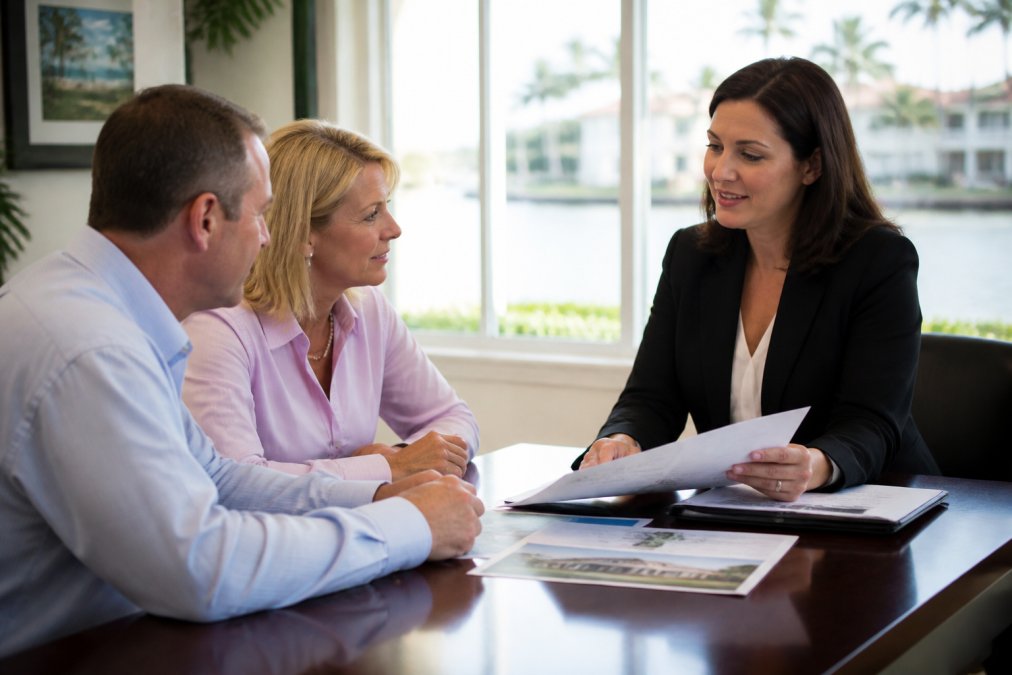
Independent agents understand local market dynamics. They know which insurers are active in Florida, which ones are pulling back due to claims costs, and which ones offer competitive rates for your specific risk profile. They understand wind mitigation credits, flood zone considerations, and coastal risk factors that affect your premium.
Local expertise matters for coastal properties. An agent familiar with Naples understands the specific risks in your area, which properties face storm surge risk, which face wind exposure, and which face both. They can recommend appropriate coverage limits based on what other coastal homeowners in your area actually carry.
Citizens Property Insurance is the insurer of last resort in Florida. When private insurers won’t cover you (usually due to coastal location or claim history), Citizens becomes your option. Citizens rates are higher because it absorbs the highest-risk properties. An independent agent can help you transition to private insurance if your risk profile improves through wind mitigation improvements.
Alternatives to Citizens exist but are limited. Some specialty insurers focus on coastal properties. Some regional carriers operate in Florida. An independent agent knows which alternatives might work for your situation.
The relationship with your insurance agent matters as much as the policy itself. At Galt Insurance, we build relationships with our clients, not just sell policies. Our team manages your entire insurance profile and stays available when you need us most.
Special Considerations for Older Homes and New Construction
Older homes and new construction face different insurance challenges.
Older homes (built before 1980) typically face higher premiums because they don’t meet current building codes. Roofs are often inadequate for wind resistance. Electrical systems may not meet current standards. Plumbing systems may be corroded. Upgrading an older home improves insurability. Replacing an old roof with impact-resistant shingles can reduce premiums by 10-20 percent. Updating the electrical panel to meet current code can qualify for additional discounts.
A four-point inspection on an older home often reveals systems that need attention. If the inspection finds major deficiencies, the insurer may deny coverage or require repairs before renewing the policy. Addressing these issues before an inspection prevents coverage denials.
New construction faces different challenges. New homes should meet current building codes, which means better wind resistance and lower risk. New construction insurance typically costs less than older home insurance because the risk profile is lower. When you purchase a new home in Florida, verify that the builder used impact-resistant windows, reinforced roof connections, and other code-compliant features. Request documentation of building code compliance to ensure you can access wind mitigation discounts immediately after purchase.
Navigating property insurance in Florida requires understanding coverage types, local risk factors, and the claims process. Proper coverage protects your home and your financial security. Working with an independent agent who understands coastal risks ensures you get the right coverage at the right price. At Galt Insurance, our team specializes in tailored coverage for Florida homeowners facing unique coastal challenges. We consolidate your entire insurance profile into one simplified experience, ensuring you have the protection you need and the support you deserve when it matters most. Contact Galt Insurance today to review your current coverage and explore how consolidating your policies can save you money while improving your protection.
Frequently Asked Questions
Is homeowners insurance high in Naples, Florida?
Yes, property insurance premiums in Naples tend to be higher than national averages due to coastal location, hurricane risk, and storm surge exposure. Factors like flood zone designation, property age, and construction type significantly influence rates. Wind mitigation improvements and higher deductibles can help offset costs. Getting quotes from multiple carriers and working with an independent insurance agent familiar with local market trends will help you find competitive rates for your specific situation.
What are the benefits of a Florida wind mitigation inspection?
A wind mitigation inspection documents protective features like roof reinforcement, impact-resistant windows, and proper fastening systems. Insurance carriers often provide premium discounts of 5-15% when inspections confirm these upgrades meet building code standards. The inspection report becomes part of your underwriting file, potentially lowering your annual premium significantly. For older homes or those lacking documented improvements, the inspection identifies which upgrades would yield the greatest insurance savings.
How do I file a property insurance claim in Florida after damage?
Start by documenting all damage with photos and videos before cleanup. Contact your insurance carrier within the timeframe specified in your policy (typically 30-60 days). Provide a detailed description of what happened, when it occurred, and the extent of damage. Submit your claim with supporting documentation, receipts, and repair estimates. Your insurance agent can guide you through the process and advocate on your behalf. For hurricane-related claims, expect longer processing times and consider hiring a public adjuster if the claim becomes complex.
What should I avoid saying to my homeowners insurance provider?
Avoid admitting fault, speculating about causes, or exaggerating damage claims. Don’t delay reporting damage or provide incomplete information, as this can complicate underwriting. Refrain from making repairs before the adjuster inspects the property, and don’t discuss settlement amounts before a full assessment. Work with your insurance agent to communicate clearly and factually. Misrepresentations on your application can lead to claim denial, so always provide accurate information about your property’s condition, occupancy, and maintenance history.
This article was written using GrandRanker