


Business Insurance for Restaurant Owners: A 2026 Guide
Table of Contents
- What Is Restaurant Insurance and Why It Matters
- Essential Coverage Types for Restaurant Owners
- Liquor Liability Insurance Requirements Explained
- What Is Errors and Omissions Coverage for Food Service
- Restaurant Insurance Cost Factors and What Affects Your Premium
- Special Coverage Scenarios: Seasonal Operations, Pop-Ups, and Home-Based Catering
- How to File a Claim and What to Expect
- Choosing the Right Coverage for Your Restaurant
- Frequently Asked Questions
Last Updated: September 2, 2026
What Is Restaurant Insurance and Why It Matters
Restaurant insurance is a collection of coverage policies designed to protect your business from the specific risks that come with operating a food service establishment. Unlike general business insurance, restaurant insurance addresses everything from foodborne illness claims to kitchen fires to slip-and-fall accidents on your premises. At Galt Insurance, we understand that restaurants face a unique combination of operational hazards, property damage, liability exposure, employee injuries, and inventory loss that demand specialized protection.
A single serious incident, customer hospitalization from contaminated food, a major fire forcing temporary closure, or significant staff injury, can threaten your entire operation. Without the right coverage, you absorb financial losses that could exceed your annual profit margin. Most commercial landlords require proof of insurance before leasing space, lenders won’t finance equipment without it, and suppliers may demand certificates of insurance before delivering goods. Beyond these practical requirements, the right coverage gives you peace of mind to focus on serving customers and building your brand.
Essential Coverage Types for Restaurant Owners
Restaurant operations require multiple layers of protection. A single policy rarely covers all your exposure.
General Liability Insurance
General liability insurance protects you when a customer or third party claims you caused them bodily injury or property damage. A customer slips on a wet floor and breaks their arm. A guest bites into glass in their meal. Someone claims food from your restaurant made them sick. These situations trigger general liability claims.
Coverage typically includes legal defense costs, medical expenses, and settlements or judgments up to your policy limits. Most policies also cover property damage you cause to someone else’s property. Coverage limits commonly range from $300,000 to $2 million per occurrence, depending on your restaurant’s size and risk profile (iii.org).
Commercial Property Insurance
Your building, equipment, inventory, and furniture represent significant capital investment. Commercial property insurance protects these assets from fire, theft, vandalism, weather damage, and other covered perils. For a restaurant, this means your kitchen equipment, point-of-sale systems, dining furniture, and food inventory are covered if disaster strikes.
Restaurant equipment is specialized and expensive. A commercial-grade oven, refrigeration units, and prep tables represent tens of thousands of dollars. If a fire destroys your kitchen, commercial property insurance pays to replace or repair that equipment so you can reopen. Most restaurants choose deductibles between $500 and $2,500.
Workers’ Compensation Insurance
If you have employees, workers’ compensation is mandatory in all 50 states. This coverage pays medical expenses and lost wages when an employee is injured on the job. A cook burns their hand. A server strains their back. A dishwasher fractures their ankle. Workers’ compensation covers treatment and a portion of their lost income while they recover.
The coverage also protects you from lawsuits by injured employees. Without this coverage, you face both regulatory fines and unlimited liability exposure. Premiums are based on your payroll and claims history. Most restaurants carry coverage that replaces 60-70% of lost wages up to a state-determined maximum (dol.gov).
Business Interruption and Equipment Breakdown
Business interruption insurance covers lost income when your restaurant must temporarily close due to a covered event. A fire forces you to shut down for three months. A severe storm damages your roof and HVAC system. Business interruption pays your fixed operating costs, rent, utilities, loan payments, and payroll for retained staff.
Equipment breakdown coverage covers sudden mechanical or electrical failure of your equipment. A refrigerator compressor dies. Your HVAC system fails. Your POS system’s server crashes. These repairs or replacements can be expensive, and equipment breakdown covers the cost. Together, these coverages protect your cash flow when operations are disrupted.
Liquor Liability Insurance Requirements Explained
If you serve alcohol, you need liquor liability insurance. This is legally required in every state (ttb.gov). Liquor liability covers claims arising from serving alcohol, including injuries or property damage caused by intoxicated patrons.
A customer drinks at your bar, leaves intoxicated, and causes a car accident that injures someone else. The injured party sues your restaurant, claiming you over-served the patron. Liquor liability covers your legal defense and any settlement or judgment. The coverage also protects against claims of injury that occur on your premises involving alcohol.
State laws vary on required limits. Some states mandate specific minimums (often $100,000 to $300,000 per occurrence). Most restaurants carry limits between $300,000 and $1 million depending on their volume and risk tolerance. One critical requirement: you must train your staff on responsible alcohol service. Most states require servers to complete alcohol awareness training. When you file a claim, insurers will ask whether your staff completed this training.
What Is Errors and Omissions Coverage for Food Service
Errors and omissions (E&O) coverage protects you against claims that your negligence caused financial loss to a customer. This is particularly relevant if you offer catering services, meal planning, or dietary consultation. A catering company prepares a meal using an ingredient the client specifically said they were allergic to, causing a serious reaction. The client sues for medical expenses and emotional distress. E&O coverage defends against this claim.
E&O is distinct from general liability. General liability covers bodily injury and property damage. E&O covers financial harm resulting from professional mistakes or omissions. For a restaurant primarily serving dine-in customers, E&O is less critical. For a catering operation or a restaurant offering specialized dietary services, E&O becomes essential. Coverage typically includes legal defense costs and damages up to your policy limit.
Restaurant Insurance Cost Factors and What Affects Your Premium
Your insurance premium depends on multiple factors specific to your operation.
Restaurant size and annual revenue directly affect premiums. A small casual restaurant with $500,000 annual revenue pays significantly less than a fine dining establishment with $3 million revenue.
Number of employees and payroll drive workers’ compensation costs. A 20-person operation pays less than a 100-person operation.
Type of cuisine and service model influence risk assessment. A fast-casual restaurant with minimal alcohol service faces lower risk than a full-service bar with late-night hours. A steakhouse with open-flame grills faces higher property and fire risk than a sandwich shop.
Claims history is critical. If your restaurant has filed multiple claims in the past three years, your premiums increase. A clean claims history earns better rates.
Location and local regulations matter. A restaurant in a high-crime area may pay higher premiums for theft and vandalism coverage. Coastal locations face higher premiums due to hurricane and storm risk.
Safety and loss prevention measures you implement reduce premiums. A restaurant with documented staff training programs, regular equipment maintenance, and documented safety protocols earns lower rates. Installing fire suppression systems, security cameras, and alarm systems also reduces premiums. restaurant accounting software.
Coverage limits and deductibles you choose directly determine your premium. Higher limits and lower deductibles cost more. Many restaurants find that increasing deductibles to $2,500 or $5,000 significantly reduces premiums while still providing adequate protection.
Special Coverage Scenarios: Seasonal Operations, Pop-Ups, and Home-Based Catering
Not all restaurants operate the same way. If your operation is seasonal, temporary, or home-based, standard restaurant insurance may not fit perfectly.
Seasonal restaurants (think ski lodge dining or summer beach cafes) operate for only part of the year. Some insurers offer seasonal policies that activate and deactivate based on your operating schedule, reducing premiums during off-season months. This is far more cost-effective than maintaining year-round coverage for a six-month operation.
Pop-up restaurants and temporary venues operate for weeks or months in borrowed or rented spaces. You need short-term business insurance that covers your specific dates and location. Event-specific policies or short-term business liability coverage can protect you for the duration of your pop-up.
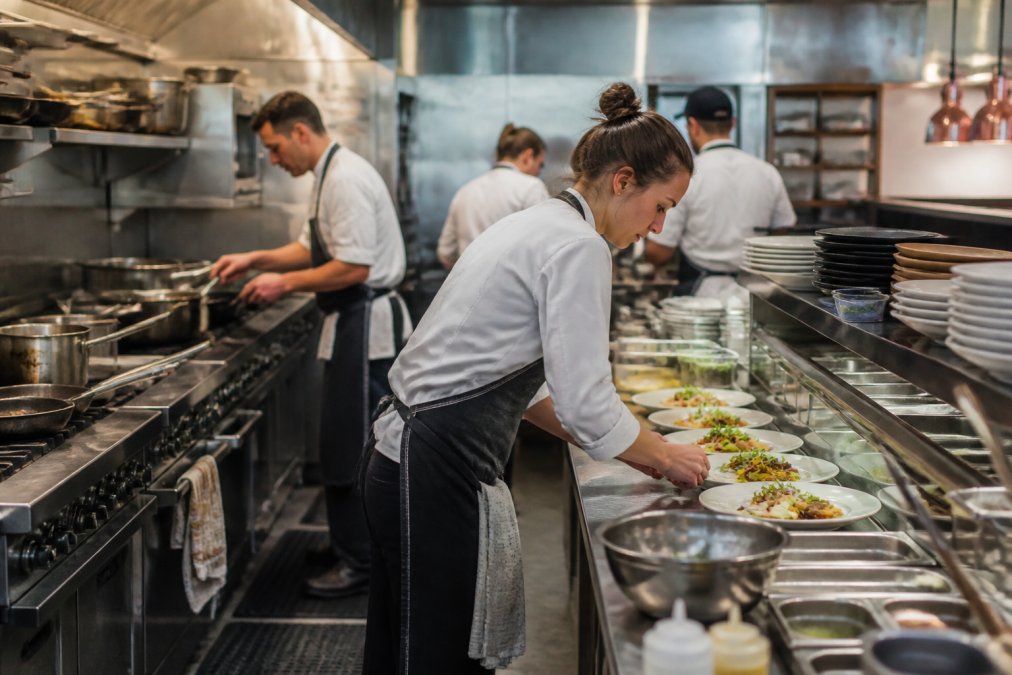
Home-based catering operations face different challenges. If you’re running a catering business from a home kitchen, standard restaurant insurance doesn’t apply. Your homeowners policy specifically excludes business operations. You need a separate business liability policy that covers catering from a home location. Some states restrict what food can be prepared in home kitchens, which affects your coverage options.
For all three scenarios, work with an insurance broker who understands your specific operational model. A broker like Galt Insurance can customize coverage for your unique situation rather than forcing you into a standard restaurant policy that doesn’t fit.
How to File a Claim and What to Expect
When an incident occurs, notify your insurance agent or broker immediately. Most policies require prompt notice, and early notification helps preserve evidence and witness information.
Document everything. Take photographs of damage, injuries, or the incident scene. Collect contact information from witnesses. Keep all receipts related to the incident or temporary repairs. If a customer was injured, get their statement in writing if possible. The more thorough your documentation, the stronger your claim.
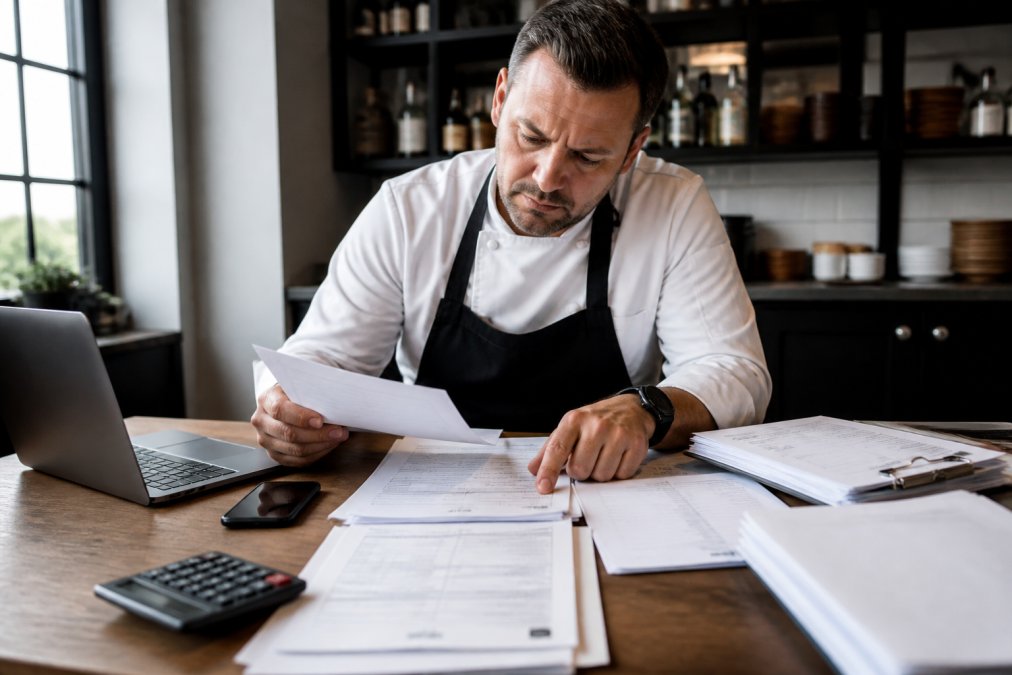
Your insurance agent will provide claim forms to complete. Be accurate and detailed. The insurance company assigns a claims adjuster to investigate. For property damage, the adjuster inspects the damage and estimates repair costs. For liability claims, the adjuster reviews the circumstances and determines whether the claim falls within your coverage. This investigation typically takes 2-4 weeks for straightforward claims.
Once the investigation is complete, the insurance company either approves the claim and pays it, denies it, or offers a settlement. Stay in communication with your agent throughout the process. Don’t make major repairs without approval from the adjuster (except emergency repairs to prevent further damage). Keep records of all communication with the insurance company.
Choosing the Right Coverage for Your Restaurant
The right insurance mix depends on your specific operation. Start by assessing your actual risks. What could force you to close temporarily? What liability exposures do you face? What assets do you need to protect? What regulatory requirements apply?
Once you understand your risks, work with a broker who specializes in restaurant insurance. A broker can compare quotes from multiple insurers and recommend appropriate coverage limits. They can also identify discounts you might qualify for, training programs, safety equipment, claims-free history, that reduce your overall premium.
This is where Galt Insurance helps. Rather than shopping your insurance across multiple brokers and managing separate policies, we consolidate your entire insurance profile into one simplified experience. Our team understands restaurant operations and the specific risks you face. We customize coverage to match your actual needs, not a generic template. And when you have a claim, we advocate for you with the insurance company rather than just passing you off to handle it yourself.
The goal is coverage that protects your assets and your income while fitting your budget. That balance requires expertise and attention to your specific situation.
Restaurant insurance isn’t a one-size-fits-all product. Your operation has unique risks, and your coverage should reflect that. At Galt Insurance, we work with restaurant owners to build customized policies that protect your property, your employees, and your income from the specific threats you face. Whether you’re managing a seasonal operation, running a catering business, or operating a full-service establishment, we handle the complexity so you can focus on your business. Get started with Galt Insurance and get the protection your restaurant actually needs.
Frequently Asked Questions
What kind of insurance should a restaurant have?
Most restaurants need general liability, commercial property, workers’ compensation, and liquor liability coverage. General liability protects against slip-and-fall claims and food contamination lawsuits. Commercial property covers your building, equipment, and inventory. Workers’ compensation is required in most states if you have employees. Liquor liability is essential if you serve alcohol. Many restaurants also add business interruption insurance to protect against lost income from kitchen fires or other disruptions.
Do restaurant owners need workers’ compensation insurance?
Yes, workers’ compensation is legally required in all states if you have employees. It covers medical expenses and lost wages if an employee is injured on the job. Even if your state allows sole proprietors to opt out, carrying it protects your personal assets from lawsuits. Claims are common in restaurants due to slip-and-fall hazards, burn injuries, and kitchen accidents. This coverage also helps with regulatory compliance and is often required by landlords or lenders.
What is errors and omissions coverage for food service?
Errors and omissions (E&O) coverage protects against claims that your business failed to deliver promised services or caused financial loss through negligence. For restaurants, this might cover allegations about food quality, service failures, or catering contract breaches. While general liability covers bodily injury and property damage, E&O protects your professional reputation and covers legal defense costs. It’s especially valuable for catering operations or restaurants offering specialized services like meal prep delivery.
What restaurant insurance cost factors should I consider?
Your premium depends on annual revenue, number of employees, location, claims history, and coverage limits. Restaurants with higher payroll and revenue typically pay more because exposure is greater. Properties in high-crime areas or flood zones cost more to insure. Whether you serve alcohol significantly increases liquor liability costs. Kitchen equipment, square footage, and business type (fine dining vs. quick-service) also affect pricing. Getting a quote or speaking with an insurance advisor helps you understand what drives your specific costs.
What is liquor liability insurance and why is it required?
Liquor liability insurance covers claims arising from serving alcohol, including injuries caused by intoxicated customers or third-party damage claims. Many states require it by law if you serve alcohol; others require it only if you have a liquor license. Dram shop laws hold establishments liable for harm caused by intoxicated patrons. This coverage protects against lawsuits from accidents involving customers who consumed alcohol at your restaurant. Premiums vary based on your alcohol sales volume and whether you serve beer/wine only or full spirits.
Is general liability insurance enough for a restaurant?
No. General liability covers bodily injury and property damage claims (like slip-and-fall injuries or food contamination), but it doesn’t protect your building, equipment, or inventory. You also need commercial property insurance for those assets. If you serve alcohol, general liability won’t cover liquor liability claims. Workers’ compensation is separate and legally required. Many restaurants also benefit from business interruption insurance to cover lost income during forced closures. A comprehensive business owners policy (BOP) bundles these coverages.
What is the difference between property insurance and business interruption insurance?
Commercial property insurance covers physical damage to your building, equipment, inventory, and furnishings from fire, theft, or weather. Business interruption insurance covers lost income if your restaurant must close temporarily due to covered damage. For example, a kitchen fire damages your equipment (property claim) and forces you to close for three weeks (business interruption covers lost revenue during that period). Together, they protect both your assets and your cash flow. Many restaurants add spoilage coverage to protect food inventory from equipment breakdown.
This article was written using GrandRanker